1979 Sports Car with Christmas Tree Design Review
As a designer who has digitized and stitched out countless holiday graphics, I approach seasonal artwork with a critical eye. We have all seen festive designs that look stunning on a screen but turn into a dense, puckered mess when hooped up. When evaluating the 1979 Sports Car with Christmas Tree, my primary focus is not just the nostalgic aesthetic, but how this specific combination of automotive lines and organic foliage translates into a functional machine embroidery design. This graphic captures a very specific mood: retro Americana meets cozy tradition. It feels less like generic clip art and more like a curated illustration meant for makers who understand their audience.
Retro Automotive Charm Meets Holiday Stitching
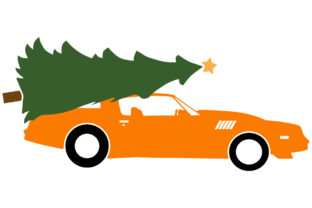
The first impression of this artwork is its distinct silhouette. The 1979 Camaro Z28 is an iconic shape with sharp angles and bold proportions, which generally digitizes better than softer, amorphous car shapes. However, placing a Christmas tree on the roof introduces a complexity that requires careful planning. From a design perspective, this juxtaposition creates immediate visual interest. It tells a story rather than just displaying two separate objects. For an embroidery project, this narrative quality is what separates a high-value handmade product from mass-produced merchandise.
In terms of layout, the verticality of the tree balanced against the horizontal stance of the sports car suggests this design will perform best in rectangular or square hoop configurations. If you are planning sweatshirt embroidery or a center-chest placement on a hoodie, the aspect ratio appears favorable. The graphic nature of the illustration implies clean edges, which is excellent news for those considering an applique design approach to manage stitch counts while maintaining bold color blocks.
Real-World Application: The Holiday Tote Bag Test
To truly judge the viability of the 1979 Sports Car with Christmas Tree, I mentally placed it onto a canvas tote bag intended as a holiday gift for car enthusiasts. Canvas is a forgiving fabric, but it demands proper stabilization. In this scenario, the design serves as the focal point of a utilitarian item. The key here is contrast. The detailed lines of the Z28’s body panels need to stand out against the natural texture of the canvas.
If I were stitching this out today, I would treat the car body with a smooth fill stitch or perhaps a textured tatami fill to mimic paint sheen, while using a running stitch or outline for the tree branches to prevent excessive density. A fully filled tree on top of a filled car could result in a stiff, bulletproof area that distorts the bag's drape. By keeping the tree lighter and airier, we maintain the structural integrity of the tote bag design. This balance ensures the finished product remains soft to the touch and visually dynamic, rather than looking like a heavy patch glued onto fabric.
Navigating Fabric Textures and Hoop Limitations
While this graphic is versatile, there are environments where caution is necessary. The intricate details inherent in a classic car illustration can get lost on highly textured fabrics like terry cloth or chunky knits. If you are attempting baby embroidery on a fleece blanket, the fine lines defining the car's trim might sink into the pile. In such cases, you must verify if the embroidery file includes underlay stitches sufficient to hold back the nap of the fabric. Without adequate underlay, even the best digital embroidery file will fail on plush surfaces.
Furthermore, consider your hoop size limitations. Shrinking a complex automotive illustration to fit a small 4x4 hoop often results in muddy details and thread breaks. If the design cannot be resized without losing clarity, it is better suited for larger formats like jacket backs, pillow covers, or wall hangings. For commercial embroidery businesses taking custom orders, managing client expectations regarding minimum sizes is crucial. You do not want to promise a crisp Z28 emblem only to deliver an unrecognizable blob because the design was forced into a cap hoop or shirt pocket space.
Critical Checks Before You Thread Up
Before committing this design to a sellable item or a cherished gift, run through these practical checks to ensure professional results:
- Test Stitch on Scrap: Never skip this step. Use the exact fabric and stabilizer combination intended for the final piece to check for registration issues between the car and the tree.
- Evaluate Stitch Density: Check if the overlap areas are too thick. If the design feels too rigid, use editing software to reduce density or convert solid fills to lighter textures.
- Contrast Verification: Test thread colors against both light and dark backgrounds. A silver car on white fabric needs a darker outline, whereas on black fabric, it might need a highlight stitch to pop.
- Format Compatibility: The product includes EPS, PNG, JPG, and SVG files. Remember that these are vector and raster graphics, not native embroidery formats like PES or DST. You or your digitizer must convert these design assets properly before stitching.
- Licensing Confirmation: Always review the specific license terms included in the ZIP file. Confirm whether you have rights for personalized gift sales, physical product manufacturing, or digital redistribution before listing on Etsy or your own shop.
Enhancing Product Value and Buyer Engagement
For Etsy sellers and craft business owners, the presentation of this design matters as much as the stitching. Because the package includes high-resolution PNG and JPG files alongside the SVG cutting file, you have excellent resources for creating printable mockups. Showing potential customers a realistic preview of the 1979 Sports Car with Christmas Tree on a sweatshirt or apron builds trust before they purchase. The SVG inclusion also opens doors for mixed-media projects; imagine a vinyl-cut tree layered over an embroidered car body. This versatility adds perceived value to your listings.
When marketing this as a holiday embroidery design, emphasize the niche appeal. This isn't just a Santa or reindeer graphic; it targets a specific intersection of car lovers and holiday decorators. That specificity drives engagement. Whether used for a boutique branding project, a unique embroidered patch, or a limited-edition apparel line, the design carries enough personality to justify a premium price point. Just ensure your execution matches the quality of the source art. Clean satin borders, appropriate stabilizer choices, and thoughtful color selection will signal to buyers that this is a professional-grade custom apparel piece, not a hobbyist experiment.
Ultimately, the 1979 Sports Car with Christmas Tree offers a fantastic foundation for creative makers, provided it is treated with technical respect. By understanding the relationship between the vector art and the physical limitations of thread and fabric, you can transform these Illustrations and Graphics into tangible, high-quality goods that resonate with customers and stand the test of time.