10 Christmas Designs: A Stitcher’s Practical Review
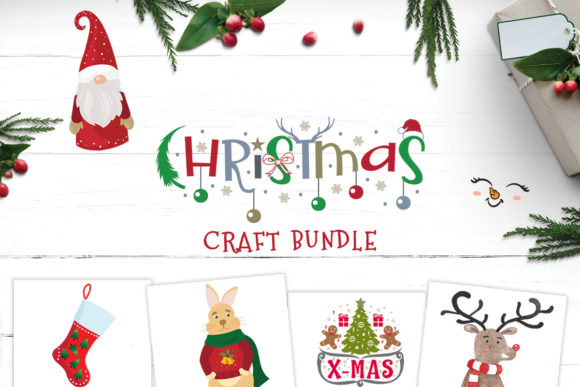
As an embroidery designer who has tested thousands of digital files, I approach new bundles with a healthy dose of skepticism. We have all purchased graphics that look beautiful on screen but turn into thread nests or distorted shapes once the needle hits the fabric. When evaluating 10 Christmas Designs, my primary focus is not just the aesthetic charm of these illustrations, but their structural integrity as a machine embroidery design. This bundle features whimsical themes like Scandinavian Gnomex-mas badges, reindeer motifs, and detailed characters like a bunny wearing a Christmas sweater and scarf. While the visual appeal is undeniable for holiday projects, the real test lies in how these graphics translate from pixel to stitch.
First Impressions and Visual Personality
The initial mood of this collection is distinctly cozy and nostalgic. Unlike generic clip art, these illustrations possess a hand-drawn quality that resonates with customers looking for authentic handmade products. The Scandinavian gnome and penguin tag designs specifically carry a folk-art weight that feels premium rather than mass-produced. For an Etsy seller or small shop owner, this visual personality is crucial. It signals to the buyer that the finished product was curated with intention. However, as graphics intended for embroidery, one must immediately assess the line work. Intricate details in the bunny’s scarf or the texture of the Christmas stocking with tree motif require careful digitizing. If the source file relies too heavily on fine lines without adequate spacing, you risk thread breaks or muddy stitching on textured fabrics.
Real-World Application: The Custom Sweatshirt Test
To truly judge the viability of 10 Christmas Designs, I mentally placed them in a specific production scenario: creating a custom embroidered sweatshirt for a boutique holiday drop. Sweatshirts are high-stakes items; the fleece backing is thick, the knit is stretchy, and the customer expects durability. In this context, the Reindeer badge stands out as a strong candidate for left-chest placement. Its compact shape allows for better stabilization compared to sprawling designs. Conversely, the Christmas Tag with Penguin might serve better as a sleeve accent or a smaller decorative element near the hem.
When planning this sweatshirt embroidery, I considered how the design interacts with the garment's drape. A dense fill stitch area in the Scandinavian Gnomex-mas badge could create a stiff "bulletproof" patch effect if not digitized with appropriate underlay and density reduction. For a wearable custom apparel piece, flexibility is key. I would recommend testing these designs on a scrap of similar fleece weight before committing to a final product. This step ensures the registration holds up and the fabric doesn't pucker around the satin stitch borders, which is a common failure point when moving from digital mockups to physical goods.
Navigating Fabric Challenges and Hoop Limitations
Not every design in this bundle will perform identically across different substrates. As a professional reviewer, I must highlight where caution is necessary. The Bunny Wearing Christmas Sweater and Scarf likely contains multiple color changes and intricate facial details. On a smooth cotton tote bag design, this will shine. However, on a ribbed baby onesie or a terry cloth kitchen towel, those tiny details may get lost. Baby embroidery requires particular care; you cannot have rough backs or excessive jump stitches that could irritate sensitive skin or pose safety risks.
Furthermore, consider your hoop size constraints. Badge-style designs are generally versatile, fitting easily into 4x4 hoops. But if the Christmas Stocking with Tree includes elongated elements or hanging loops, verify the dimensions against your machine’s maximum stitch area. Stretchy fabrics like jersey knits demand a cut-away stabilizer and potentially a topping to prevent stitches from sinking into the weave. Dark fabrics present another challenge; if these illustrations rely on light-colored running stitches for definition, they may vanish on navy or forest green backgrounds unless you adjust the thread colors or add a white underlay base.
Critical Designer Notes for Success
Before adding 10 Christmas Designs to your commercial embroidery lineup or personal gift list, adhere to these practical checkpoints:
- Verify Digitizing Quality: Never assume a graphic is ready-to-stitch. Check if the embroidery file includes proper underlay, trims, and tie-ins. Poorly converted files cause production delays.
- Test Stitch Density: Run a sample on scrap fabric first. If the design feels too rigid, reduce the fill stitch density by 10-15% in your software to improve drape and reduce thread usage.
- Contrast Check: View the design in black and white within your embroidery software. This reveals whether the values hold up without relying solely on color contrast, ensuring clarity on various fabric tones.
- Stabilizer Selection: Match the stabilizer to the fabric texture, not just the design size. Woven fabrics may only need tear-away, while knits and stretchy materials require cut-away support for clean edges.
- Licensing Confirmation: Always review the specific license terms included with the digital embroidery file. Confirm whether you can sell finished products, use the design for printable mockups, or if it is restricted to personal use only.
- Detail Inspection: Zoom in to 100% in your editing software. Ensure tiny lettering or thin lines meet the minimum stitch width requirements for your needle size to prevent breakage.
Impact on Product Value and Brand Consistency
Using cohesive illustrations like these helps establish brand recognition. When customers see a consistent style across your embroidered patches, pillow covers, and holiday gifts, it builds trust. The whimsical nature of 10 Christmas Designs lends itself well to personalized gifts and nursery decor, where softness and character are valued over corporate polish. However, professionalism comes from execution. A beautifully designed graphic ruined by poor tension or wrong stabilizer devalues your craft business. By treating these assets as raw materials that require skilled adaptation rather than plug-and-play solutions, you elevate the perceived value of your handmade products.
For digital product sellers offering printable mockups or design assets derived from this style, ensure your previews accurately represent the stitch limitations. Misleading customers with vector-sharp images that cannot be replicated in thread leads to returns and negative feedback. Transparency about what makes a good applique design versus a complex fill stitch design demonstrates expertise. Ultimately, this bundle offers excellent potential for holiday embroidery projects, provided you apply the same rigorous testing and fabric knowledge you would to any professional commission. The charm is in the illustration, but the sale is secured by the stitch quality.