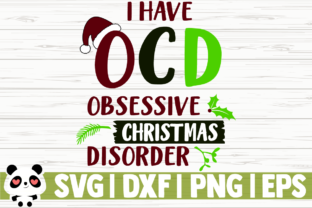
Obsessive Christmas Disorder: Graphics & Illustrations
As a brand designer working with local artisans and seasonal retailers, I approach every new graphic design asset with a critical eye toward commercial viability. When evaluating Obsessive Christmas Disorder for a recent boutique bakery rebrand, my first impression was that this illustration captures a specific, relable niche energy. It does not feel like generic holiday clipart; rather, it possesses a playful, slightly chaotic warmth that speaks directly to the passionate holiday enthusiast. The mood is unapologetically festive, suggesting a brand personality that is humorous, authentic, and deeply engaged with the season. For small business branding, particularly for handmade businesses or local shops that thrive on community connection, this graphic offers an immediate emotional hook. It feels less corporate and more like an inside joke shared between friends, which is exactly the tone many creative entrepreneurs aim for during the saturated holiday market.
Elevating Seasonal Packaging and Product Labels
In our test project for a gourmet cookie company, we needed packaging design elements that could transition from standard product labels to limited-edition holiday gift boxes without losing brand recognition. Obsessive Christmas Disorder proved versatile in this application. Because the asset includes a high-resolution PNG file at 300ppi with a transparent background, it integrated seamlessly into existing label templates within Canva and Adobe Illustrator. We utilized the illustration as a secondary hero graphic on gift tin lids, where it served as a conversation starter rather than just decoration. For food businesses and candle brands, this type of visual hierarchy is crucial. The illustration supports the primary logo design by adding seasonal context without competing for legibility. When applied to hang tags and thank-you cards included in shipping boxes, the graphic reinforced the unboxing experience, turning a simple transaction into a memorable brand interaction. This level of detail in printable design helps establish professional branding even for micro-businesses operating out of home kitchens or studios.
Strategic Applications for Local Business Marketing Visuals
Beyond physical products, this graphic design asset demonstrated significant value in digital marketing visuals and social media graphics. During the holiday rush, content fatigue is real for both creators and consumers. Using Obsessive Christmas Disorder in Instagram stories and promotional banners provided a cohesive visual thread across our campaign. The SVG file format was particularly useful here, allowing us to scale the illustration for website headers and email newsletters without pixelation. For marketers and social media managers, having a consistent illustrative element helps maintain brand identity across disparate platforms. We found that posts featuring this specific illustration performed better in engagement metrics because the humor resonated with our target demographic of fellow holiday obsessives. Furthermore, when creating product mockups for pre-sale listings, the graphic added a layer of lifestyle context that static product photography often lacks. It bridged the gap between the physical item and the emotional experience of the holidays, which is essential for converting browsers into buyers in the creative marketplace.
Technical Versatility Across Print and Digital Formats
A major consideration for any commercial design project is file flexibility. This asset package delivers exactly what a production workflow demands. The inclusion of an EPS file alongside the SVG ensures compatibility with older vector software and professional print shops that require traditional vector formats for large-scale signage or window decals. Meanwhile, the DXF file opens up opportunities for laser cutting and engraving, which is invaluable for handmade sellers creating wooden ornaments, acrylic cake toppers, or custom leather tags. During our evaluation, we tested the DXF output on a glowforge prototype for a retail display sign, and the line work translated cleanly without requiring extensive node editing. The 300ppi PNG remains the workhorse for quick edits and digital proofs, ensuring that even non-designers on the team can utilize the asset effectively. This multi-format approach transforms a single illustration into a comprehensive toolkit for diverse business needs, from editorial design in holiday catalogs to intricate craft projects.
Navigating Brand Consistency and Visual Hierarchy
While Obsessive Christmas Disorder is charming, it must be deployed with strategic restraint to maintain professional branding standards. In our bakery project, we identified specific zones where the illustration enhanced the design and areas where it detracted. It works best as a supporting character to your core brand identity. Use it to frame text, accentuate borders, or serve as a watermark on photography. However, exercise caution when placing it near mandatory legal information, ingredient lists, or pricing tables. The intricate details of the illustration can create visual noise that reduces readability in small spaces. For luxury minimalist brands, this graphic may feel too whimsical unless heavily modified or used sparingly as a subtle texture. Additionally, always test the asset against your specific brand color palette. While the transparent background allows for easy recoloring in vector formats, ensure the modified hues still meet accessibility contrast standards, especially on product labels where clarity is paramount. A common pitfall is overcrowding; let the illustration breathe by pairing it with ample negative space and clean typography.
Essential Pre-Launch Checks for Commercial Design
Before committing this graphic to a full production run, I recommend a rigorous testing protocol to avoid costly printing errors or brand misalignment. First, always verify the commercial license terms to ensure the asset covers your intended use case, whether that is physical product sales, digital downloads, or client work. Next, conduct a "squint test" and a grayscale conversion. If Obsessive Christmas Disorder loses its impact or becomes muddy in black and white, it may not reproduce well on kraft paper packaging or receipt tape. Test the SVG editability by attempting to separate layers or change colors; some marketplace assets are flattened vectors that limit customization. Compare the illustration beside your chosen serif, sans-serif, and script fonts to ensure stylistic harmony. Does the playful nature of the graphic clash with a serious corporate typeface, or do they balance each other? Finally, print a physical proof at actual size. Screen resolution often deceives; what looks crisp on a monitor might appear jagged or too faint on textured cardstock. These practical steps ensure that your investment in design assets translates into tangible business value.
Building Emotional Connections Through Intentional Art
Ultimately, the success of using Obsessive Christmas Disorder lies in understanding its role within the broader customer journey. It is not merely a decorative filler; it is a signaling mechanism that tells your audience, "We get you." For local businesses competing against big-box retailers, this emotional resonance is a distinct competitive advantage. When a customer sees a product label or social post that articulates their own holiday enthusiasm through clever illustrations, trust is established faster than through generic seasonal imagery alone. Whether you are designing a limited-run soap wrapper, a festive coffee cup sleeve, or a viral holiday reel, this graphic provides the visual vocabulary to express passion authentically. By treating this asset as a strategic component of your brand identity rather than just seasonal decor, you elevate your presentation from amateur to professionally curated. The result is a cohesive, engaging holiday campaign that drives recognition, fosters loyalty, and ultimately supports the sustainable growth of your creative enterprise.