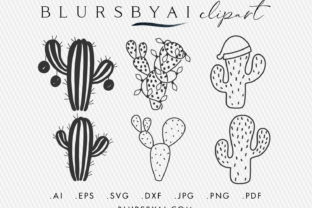
Vector Cacti Christmas Cacti Graphics & Illustrations
Evaluating Botanical Charm for a Holiday Brand Identity
When sourcing assets for a recent rebrand of an artisanal candle and home goods line, I needed visuals that bridged the gap between desert modernism and traditional holiday warmth. The client wanted to move away from generic pine trees and snowflakes, seeking a unique seasonal aesthetic that still felt cozy and inviting. This is where evaluating Vector Cacti Christmas Cacti became a critical step in my creative process. As a professional designer, my first impression was not just about the artistic style, but about the asset's versatility across multiple touchpoints. These hand illustrated cacti and Christmas cacti clipart files immediately presented a soft, organic mood that feels authentic rather than manufactured. The visual weight is balanced, avoiding the stiff, geometric look of auto-traced vectors while maintaining enough structure to work in commercial applications.
For this specific client project, the goal was to create a cohesive visual language that could scale from tiny product labels to large-format market signage. The included AI, EPS, SVG, PDF, and DXF vector files provided the technical foundation necessary for this flexibility. Unlike raster-only bundles, having true vector paths meant I could adjust stroke weights and colors to match the client’s existing brand palette without losing fidelity. This level of editability is non-negotiable when developing a serious brand identity or packaging design system. The illustrations carry a handcrafted quality that resonates deeply with audiences looking for genuine, small business branding, making them ideal for handmade businesses and Etsy sellers aiming for a premium yet accessible look.
Performance Across Packaging, Print-on-Demand, and Digital Layouts
In real-world application, this graphic design asset proved its worth during the packaging design phase. We utilized the Christmas cactus elements as secondary patterns on box sleeves and primary focal points on glass jar labels. Because the vectors are clean, they held up beautifully at small sizes on product mockups, ensuring the intricate petal details remained distinct even when scaled down to 1.5 inches. For print-on-demand sellers, this scalability is vital. I tested the designs on t-shirt design templates and tote bag layouts, confirming that the artwork retains its charm whether printed via direct-to-garment or sublimation design methods. The organic lines of the illustration complement natural fabric textures better than sharp, digital-looking alternatives.
On the digital front, these graphics served as excellent anchors for social media graphics and Canva template creation. When designing Instagram carousels and Pinterest pins for the holiday launch, the cacti provided necessary negative space management. They acted as decorative frames for text without overwhelming the marketing visuals. For content creators and bloggers, this asset functions well in editorial design, breaking up long-form text with relevant, thematic imagery. I also explored their utility for Cricut project workflows. Since SVG files can be used for cutting, I verified that the node count was reasonable for vinyl plotters. This makes the bundle highly valuable for crafters producing physical stickers, cake toppers, or paper ornaments, bridging the gap between digital design and tangible handmade products.
Strategic Placement: Maximizing Impact While Avoiding Visual Clutter
While Vector Cacti Christmas Cacti is versatile, professional judgment dictates knowing where it thrives and where it requires restraint. This asset excels in large layout areas, hero graphics for web design, and as standalone art for printable wall art. The detail level supports center-stage placement on greeting cards, invitations, and merchandise. However, designers must exercise caution in crowded layouts or complex backgrounds. Because the hand-illustrated style relies on line work and organic shapes, placing it over busy photographic textures can reduce readability and visual hierarchy. It performs best against solid colors, subtle gradients, or minimal patterns that allow the botanical forms to breathe.
I would advise against using this specific illustration style for ultra-minimalist corporate materials or high-tech branding unless intentionally aiming for ironic juxtaposition. The emotional appeal here is rooted in nostalgia, nature, and warmth. Using it in a sterile, grid-heavy financial report would create cognitive dissonance. Conversely, for a local event flyer, a boutique website, or a seasonal email newsletter, the asset enhances audience engagement by triggering positive emotional associations. It builds visual trust by signaling that the brand values craftsmanship and seasonal tradition. When integrating this into a design bundle for resale or client delivery, ensure it is paired with complementary typography; a flowing script font enhances its romantic feel, while a bold sans serif creates a trendy, modern contrast.
Technical Due Diligence and Commercial Readiness Checks
Before committing this digital product to a final client deliverable, I ran through a rigorous technical checklist that every designer should follow. First, always test the SVG design in black and white. If the illustration relies solely on color to define form, it will fail in single-color embroidery or laser engraving applications. Fortunately, these vectors maintain structural integrity in monochrome. Next, inspect the PNG design files for transparency quality. The transparent background J (JPG/PNG) variants should have clean edges without halos or jagged pixels, which is essential for layering over dark backgrounds in social media posts or sticker design.
File format verification is equally important. While the description mentions DXF and PDF, open these in your native software to confirm layer organization. Are the elements grouped logically? Can you easily isolate a single bloom for a logo icon, or are they merged into a single uneditable shape? For commercial design work, this separation saves hours of redrawing time. Additionally, review the commercial license terms explicitly. Just because an asset is available on a creative marketplace does not automatically grant unlimited rights for print-on-demand or logo trademarking. Confirming usage rights protects both the designer and the client from future legal complications.
Finally, consider typographic pairing and contrast. Test the cacti alongside your chosen typefaces at various sizes. Ensure the visual weight of the illustration matches the font weight; a delicate line drawing might disappear next to a heavy display font, while a filled version might overpower a light serif. Preview the composition on real device screens and printed proofs. Colors shift between RGB and CMYK, and what looks vibrant on a monitor may appear muddy on uncoated paper stock. By treating Vector Cacti Christmas Cacti as a professional tool rather than mere decoration, designers can leverage its full potential to create polished, market-ready visuals that resonate with target audiences and elevate the perceived value of any seasonal campaign or product line.